

In the field of industrial and architectural applications, GRP (Glass Reinforced Plastic) grating has emerged as a popular choice due to its numerous advantages over traditional materials like steel and wood. When it comes to GRP grating, two main types dominate the market: GRP Moulded Grating and GRP Pultruded Grating. As a supplier of GRP Moulded Grating, I am often asked which type is better. In this blog post, I will delve into the characteristics, advantages, and disadvantages of both types to help you make an informed decision.
Understanding GRP Moulded Grating
GRP Moulded Grating is manufactured by a process that involves pouring a mixture of resin and glass fibers into a mold. This process allows for a high degree of customization in terms of shape, size, and color. The resulting grating has a homogeneous structure, which means that the resin and glass fibers are evenly distributed throughout the product. This gives GRP Moulded Grating several key advantages.
One of the primary benefits of GRP Moulded Grating is its high corrosion resistance. It can withstand exposure to a wide range of chemicals, including acids, alkalis, and solvents, making it ideal for use in harsh environments such as chemical plants, wastewater treatment facilities, and offshore platforms. Additionally, GRP Moulded Grating is non-conductive, which makes it a safe choice for electrical applications. It does not conduct electricity, reducing the risk of electrical shock and short circuits.
Another advantage of GRP Moulded Grating is its excellent slip resistance. The surface of the grating can be designed with a variety of textures, such as a gritted or molded pattern, to provide a high level of traction. This is particularly important in areas where there is a risk of slipping, such as walkways, stairs, and platforms.
GRP Moulded Grating is also lightweight, which makes it easy to handle and install. It requires less support structure compared to traditional materials, reducing the overall cost of installation. Moreover, its lightweight nature makes it suitable for applications where weight is a concern, such as in the aerospace and marine industries.
For more information on GRP Moulded Grating, you can visit our product page GRP Moulded Grating.
Understanding GRP Pultruded Grating
GRP Pultruded Grating, on the other hand, is manufactured through a pultrusion process. In this process, continuous glass fibers are pulled through a resin bath and then through a heated die to form a continuous profile. The resulting grating has a high strength-to-weight ratio, with the glass fibers providing the majority of the strength.
One of the main advantages of GRP Pultruded Grating is its high strength. It can withstand heavy loads and is often used in applications where high structural integrity is required, such as in industrial flooring, bridge decks, and mezzanine floors. The pultrusion process aligns the glass fibers in the direction of the load, maximizing the strength of the grating.
GRP Pultruded Grating also has a smooth surface finish, which makes it easy to clean. This is beneficial in applications where hygiene is a concern, such as in food processing plants and pharmaceutical facilities. Additionally, it has a long service life and requires minimal maintenance, reducing the overall cost of ownership.
However, GRP Pultruded Grating has some limitations. It is less corrosion-resistant compared to GRP Moulded Grating, especially in highly corrosive environments. The pultrusion process can leave some areas of the grating more vulnerable to chemical attack. Also, its slip resistance may not be as good as that of GRP Moulded Grating, especially in wet conditions.
Comparing the Two Types
When comparing GRP Moulded Grating and GRP Pultruded Grating, several factors need to be considered.
Corrosion Resistance
As mentioned earlier, GRP Moulded Grating has superior corrosion resistance compared to GRP Pultruded Grating. If your application involves exposure to harsh chemicals or a corrosive environment, GRP Moulded Grating is the better choice. It can provide long-term protection against corrosion, reducing the need for frequent replacements.
Strength
GRP Pultruded Grating is generally stronger than GRP Moulded Grating in terms of load-bearing capacity. If your application requires a grating that can withstand heavy loads, such as in industrial settings or large-scale construction projects, GRP Pultruded Grating may be more suitable.
Slip Resistance
GRP Moulded Grating offers better slip resistance due to its customizable surface textures. In areas where safety is a top priority, such as in wet or oily environments, GRP Moulded Grating is the preferred option.
Cost
The cost of both types of grating can vary depending on factors such as size, thickness, and quantity. Generally, GRP Moulded Grating is more expensive than GRP Pultruded Grating. However, when considering the long-term costs, including maintenance and replacement, GRP Moulded Grating may be more cost-effective in corrosive environments.
Customization
GRP Moulded Grating allows for a higher degree of customization compared to GRP Pultruded Grating. It can be manufactured in various shapes, sizes, and colors to meet specific design requirements. This makes it a versatile choice for architectural and decorative applications.
Applications
Both GRP Moulded Grating and GRP Pultruded Grating have a wide range of applications.

GRP Moulded Grating Applications
- Chemical and Petrochemical Industries: Due to its high corrosion resistance, GRP Moulded Grating is commonly used in chemical plants, refineries, and petrochemical facilities. It can be used for walkways, platforms, and stair treads in areas where exposure to chemicals is likely.
- Wastewater Treatment Plants: The ability of GRP Moulded Grating to withstand the corrosive effects of wastewater makes it an ideal choice for use in treatment plants. It can be used for access platforms, aeration tank covers, and sludge handling areas.
- Food and Beverage Industries: The slip resistance and easy-to-clean properties of GRP Moulded Grating make it suitable for use in food processing plants, breweries, and dairies. It can be used for walkways, mezzanine floors, and equipment platforms.
- Architectural Applications: The customizable nature of GRP Moulded Grating allows it to be used in architectural projects for decorative purposes. It can be used for balcony railings, facades, and interior partitions.
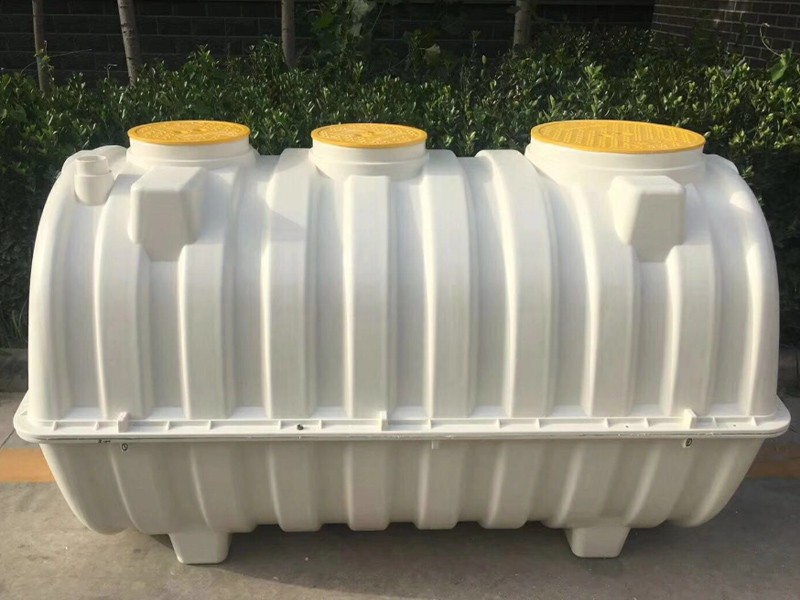
In addition to these applications, GRP Moulded Grating can also be used in conjunction with other GRP products such as Fiberglass Manhole Cover and Fiberglass Septic Tank to create a complete GRP system.
GRP Pultruded Grating Applications
- Industrial Flooring: The high strength of GRP Pultruded Grating makes it suitable for use in industrial flooring applications. It can withstand heavy loads from machinery, vehicles, and personnel, making it ideal for factories, warehouses, and distribution centers.
- Bridge Decks: GRP Pultruded Grating can be used as a lightweight alternative to traditional bridge deck materials. It reduces the overall weight of the bridge, which can lead to cost savings in construction and maintenance.
- Mezzanine Floors: In commercial and industrial buildings, GRP Pultruded Grating can be used to create mezzanine floors. Its high strength and lightweight nature make it easy to install and support.
Conclusion
In conclusion, the choice between GRP Moulded Grating and GRP Pultruded Grating depends on the specific requirements of your application. If you need a grating with high corrosion resistance, excellent slip resistance, and a high degree of customization, GRP Moulded Grating is the better option. On the other hand, if you require a grating with high strength and a smooth surface finish, GRP Pultruded Grating may be more suitable.
As a supplier of GRP Moulded Grating, I am confident in the quality and performance of our products. We offer a wide range of GRP Moulded Grating solutions to meet the diverse needs of our customers. If you are interested in purchasing GRP Moulded Grating or have any questions about our products, please feel free to contact us for a consultation. We look forward to working with you to find the best grating solution for your project.
References
- "Handbook of GRP Composites" - A comprehensive guide on GRP materials and their applications.
- Industry reports on the use of GRP grating in various sectors.