

What is the Electrical Insulation Performance of GRP Insulation Tanks?
As a supplier of GRP Insulation Tanks, I've witnessed firsthand the growing demand for these tanks across various industries. GRP, or Glass Reinforced Plastic, is a composite material known for its excellent mechanical properties, corrosion resistance, and in this context, remarkable electrical insulation performance.
Understanding GRP and Its Electrical Insulation Basics
GRP is composed of a polymer matrix, typically polyester or vinyl ester resin, reinforced with glass fibers. The resin acts as the binder, holding the glass fibers in place and providing the overall shape and protection to the structure. Glass fibers, on the other hand, enhance the mechanical strength of the material.
From an electrical perspective, both the resin and the glass fibers contribute to the electrical insulation properties of GRP. The polymer resin is an insulator by nature. It has a high resistivity, which means it does not allow the easy flow of electric current. The glass fibers, although they have some conductivity when compared to pure insulators, are coated and embedded in the resin, which further restricts the movement of electrons.
The electrical insulation performance of GRP can be characterized by several key parameters. One of the most important is the dielectric strength. Dielectric strength is the maximum electric field that a material can withstand without breaking down and allowing current to flow. GRP Insulation Tanks typically have a high dielectric strength, often in the range of several kilovolts per millimeter. This high dielectric strength makes them suitable for applications where electrical isolation is crucial.
Another parameter is the volume resistivity. Volume resistivity measures the resistance of a material to the flow of electric current through its bulk. GRP has a very high volume resistivity, usually on the order of 10¹² to 10¹⁵ ohm - centimeters. This high resistivity ensures that even when there is an electric potential difference across the tank, the current flow through the tank wall is negligible.
Factors Affecting the Electrical Insulation Performance of GRP Insulation Tanks
- Resin Type: Different types of resins used in GRP have varying electrical properties. For example, epoxy resins generally offer better electrical insulation than polyester resins. Epoxy resins have a more stable molecular structure and fewer polar groups, which reduces the likelihood of electrical conduction. As a supplier, we carefully select the resin type based on the specific electrical requirements of the application.
- Glass Fiber Content and Orientation: The amount and orientation of glass fibers in the GRP can also affect its electrical insulation. A higher glass fiber content can increase the mechanical strength of the tank but may slightly reduce the electrical insulation due to the conductive nature of glass fibers. The orientation of the fibers can also play a role. If the fibers are aligned in a way that creates a continuous path for current flow, it can potentially reduce the insulation performance.
- Environmental Conditions: Temperature, humidity, and chemical exposure can all impact the electrical insulation of GRP Insulation Tanks. High temperatures can cause the resin to soften and reduce its resistivity. Humidity can lead to the absorption of water by the resin, which can increase the conductivity. Chemical exposure, especially to conductive chemicals, can also degrade the insulation performance over time.
Applications of GRP Insulation Tanks Based on Electrical Insulation
- Electrical Substations: In electrical substations, GRP Insulation Tanks are used to store and handle various liquids such as transformer oil. These tanks need to provide electrical isolation to prevent short - circuits and ensure the safety of the electrical equipment. The high dielectric strength and volume resistivity of GRP make it an ideal material for this application.
- Power Generation Plants: Power plants, whether they are thermal, hydro, or nuclear, often have electrical systems that require reliable insulation. GRP Insulation Tanks can be used to store chemicals or fluids that are part of the power generation process, while also providing electrical insulation to protect the surrounding equipment.
- Food and Beverage Industry: In the food and beverage industry, GRP Insulation Tanks are commonly used for storage and fermentation processes. For example, the FRP Soy Sauce Fermentation Tank is a type of GRP tank. Although the primary focus in this industry is on food safety and hygiene, electrical insulation is also important, especially in facilities with a lot of electrical equipment.
Testing and Quality Assurance of Electrical Insulation in GRP Insulation Tanks
As a supplier, we conduct rigorous testing to ensure the electrical insulation performance of our GRP Insulation Tanks. We use standardized tests such as dielectric strength tests and volume resistivity measurements. These tests are carried out in accordance with international standards such as ASTM and IEC.

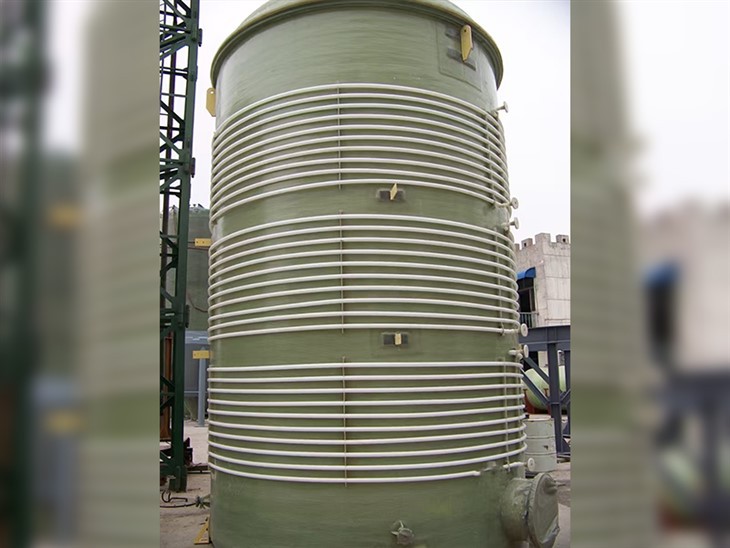
During the manufacturing process, we also implement quality control measures to ensure the consistency of the electrical insulation properties. This includes monitoring the resin mixing process, fiber placement, and curing conditions. By maintaining strict quality control, we can guarantee that our GRP Insulation Tanks meet the high - performance requirements of our customers.
Conclusion and Call to Action
The electrical insulation performance of GRP Insulation Tanks is a critical factor that makes them suitable for a wide range of applications. Their high dielectric strength, volume resistivity, and resistance to environmental factors ensure reliable electrical isolation. Whether you are in the electrical, power generation, or food and beverage industry, our GRP Insulation Tanks can provide the insulation and durability you need.
If you are interested in learning more about our GRP Insulation Tanks or would like to discuss your specific requirements, please feel free to reach out. We are here to assist you in finding the perfect solution for your needs.
References
- ASTM International Standards on Composite Materials
- IEC (International Electrotechnical Commission) Standards for Electrical Insulation
- Textbooks on Composite Materials and Electrical Insulation