

When it comes to the storage of various liquids and substances, GRP Insulation Tanks have emerged as a reliable solution due to their durability, corrosion resistance, and insulation properties. As a supplier of GRP Insulation Tanks, I understand the importance of proper installation to ensure the optimal performance and longevity of these tanks. In this blog post, I will delve into the installation requirements for GRP Insulation Tanks, providing you with a comprehensive guide to ensure a successful installation.
Site Preparation
The first step in installing a GRP Insulation Tank is to prepare the site. The site should be level, stable, and free from any debris or sharp objects that could damage the tank. It is recommended to use a concrete foundation or a compacted gravel base to provide a solid support for the tank. The foundation should be at least 100mm thick and should extend beyond the tank's footprint by at least 150mm on all sides.
The site should also be located in an area that is easily accessible for installation and maintenance. It should be away from any sources of heat, fire, or electrical equipment that could pose a risk to the tank. Additionally, the site should have adequate drainage to prevent water from accumulating around the tank, which could cause damage to the tank's structure.
Tank Handling and Placement
Once the site is prepared, the next step is to handle and place the GRP Insulation Tank. The tank should be handled with care to prevent any damage during transportation and installation. It is recommended to use a crane or a forklift to lift and move the tank, ensuring that the tank is lifted from the designated lifting points.

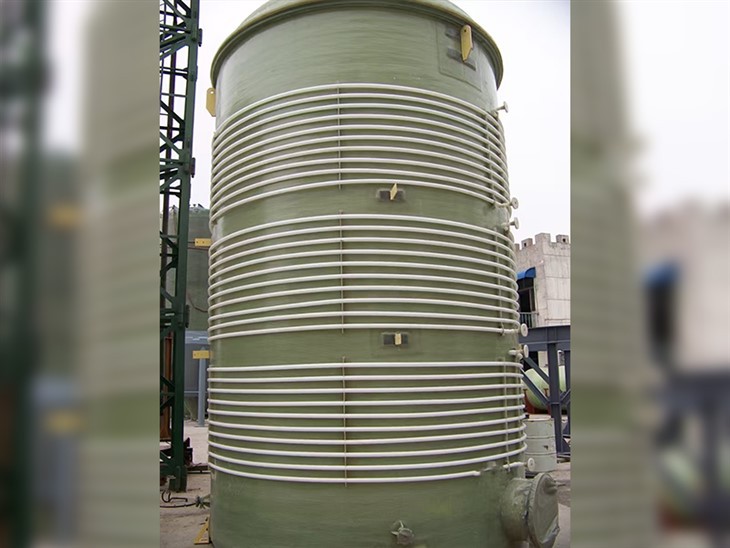
When placing the tank on the foundation, it is important to ensure that the tank is level and centered. The tank should be aligned with the inlet and outlet connections, and any other fittings or accessories should be installed according to the manufacturer's instructions. It is also important to ensure that the tank is secured to the foundation using the appropriate fasteners to prevent any movement or displacement.
Connection and Piping
After the tank is placed on the foundation, the next step is to connect the tank to the piping system. The piping system should be designed and installed to ensure the proper flow of liquids and substances in and out of the tank. It is recommended to use high-quality pipes and fittings that are compatible with the GRP Insulation Tank and the substances being stored.
The piping system should be installed according to the manufacturer's instructions, ensuring that the pipes are properly supported and secured. The pipes should be connected to the tank using the appropriate gaskets and seals to prevent any leaks. It is also important to ensure that the piping system is properly insulated to prevent any heat loss or gain, which could affect the performance of the tank.
Insulation Installation
One of the key features of GRP Insulation Tanks is their insulation properties. The insulation helps to maintain the temperature of the substances being stored, reducing energy consumption and preventing any damage to the tank's structure. The insulation should be installed according to the manufacturer's instructions, ensuring that the insulation is properly fitted and secured.
The insulation material should be selected based on the specific requirements of the application, such as the temperature range, the type of substance being stored, and the environmental conditions. Common insulation materials used for GRP Insulation Tanks include polyurethane foam, polystyrene foam, and fiberglass insulation.
Testing and Commissioning
Once the installation is complete, the next step is to test and commission the GRP Insulation Tank. The tank should be tested for leaks, pressure, and temperature to ensure that the tank is functioning properly. The testing should be carried out according to the manufacturer's instructions, using the appropriate testing equipment and procedures.
After the testing is complete, the tank should be commissioned by filling it with the appropriate substance and monitoring the tank's performance. The commissioning process should be carried out according to the manufacturer's instructions, ensuring that the tank is operating at its optimal level.
Maintenance and Inspection
To ensure the long-term performance and reliability of the GRP Insulation Tank, it is important to carry out regular maintenance and inspection. The tank should be inspected regularly for any signs of damage, leaks, or corrosion. Any issues should be addressed immediately to prevent any further damage to the tank.
The tank should also be cleaned regularly to prevent the buildup of debris and contaminants. The cleaning should be carried out using the appropriate cleaning agents and procedures, ensuring that the tank is not damaged during the cleaning process.
Conclusion
In conclusion, the installation of GRP Insulation Tanks requires careful planning, preparation, and execution. By following the installation requirements outlined in this blog post, you can ensure a successful installation and optimal performance of your GRP Insulation Tank. If you have any questions or need further information about the installation of GRP Insulation Tanks, please do not hesitate to contact us. We are a leading supplier of GRP Insulation Tanks and FRP Soy Sauce Fermentation Tanks, and we are committed to providing our customers with high-quality products and excellent service. Contact us today to discuss your specific requirements and to learn more about our products and services.
References
- Manufacturer's installation instructions for GRP Insulation Tanks
- Industry standards and guidelines for tank installation and maintenance