

Hey there! As a supplier of FRP Process Pipe, I'm super excited to share with you all about the chemical properties of these pipes. FRP, or Fiber Reinforced Plastic, is a material that's been making waves in the piping industry for its outstanding performance and versatility.
Let's start with the basics. FRP Process Pipe is made by combining a polymer resin with fibrous reinforcements, typically glass fibers. This combination results in a material that has some really cool chemical properties.
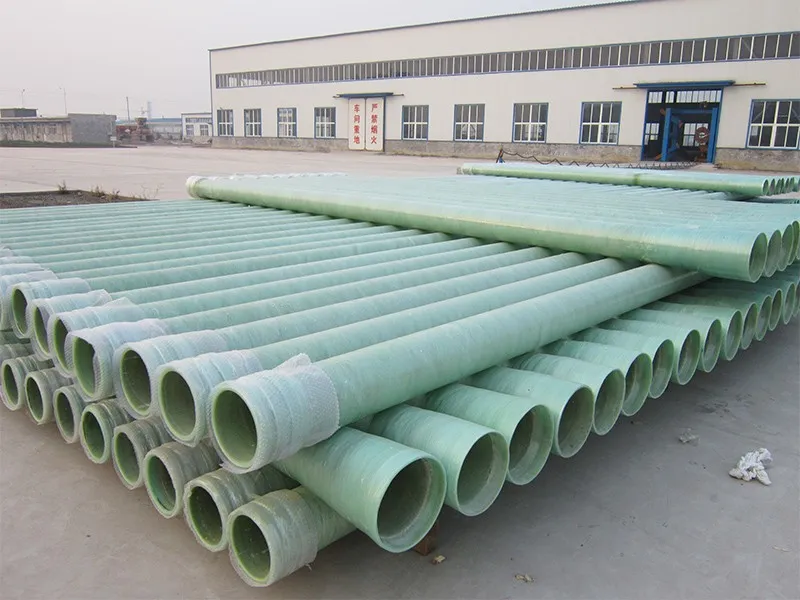
One of the most significant chemical properties of FRP Process Pipe is its excellent corrosion resistance. Unlike traditional metal pipes that can rust and corrode over time, FRP pipes are highly resistant to a wide range of chemicals, including acids, alkalis, and salts. This makes them ideal for use in harsh industrial environments where corrosion can be a major problem. For example, in chemical processing plants, where pipes are constantly exposed to corrosive substances, FRP Process Pipe can withstand the chemical attacks and maintain its structural integrity for a long time.
Another great chemical property of FRP Process Pipe is its low reactivity. The polymer resin used in FRP pipes is relatively inert, which means it doesn't react easily with other chemicals. This makes the pipes suitable for transporting a variety of fluids without the risk of chemical reactions that could damage the pipes or contaminate the fluids. Whether it's transporting water, chemicals, or even food products, FRP Process Pipe can do the job safely and efficiently.
FRP Process Pipe also has good chemical stability. It can maintain its physical and chemical properties over a wide range of temperatures and pressures. This stability is crucial in applications where the pipes are exposed to extreme conditions. For instance, in oil and gas pipelines, where the pipes need to withstand high pressures and temperatures, FRP Process Pipe can perform reliably without degrading or losing its strength.
In addition to these properties, FRP Process Pipe is also resistant to biological growth. Bacteria, fungi, and other microorganisms can't easily grow on the surface of FRP pipes, which helps to keep the pipes clean and free from blockages. This is especially important in applications such as water treatment plants, where maintaining a clean and hygienic environment is essential.
Now, let's talk about the different types of FRP Process Pipe available. There are several options, including FRP Insulation Pipe and RPM Pipe. Each type has its own unique chemical properties and applications.
FRP Insulation Pipe, as the name suggests, is designed to provide insulation. It has a special layer of insulation material that helps to reduce heat transfer, making it suitable for applications where temperature control is important. The insulation layer also adds an extra level of protection against chemical corrosion.

RPM Pipe, on the other hand, is known for its high strength and durability. It's made using a specific manufacturing process that results in a pipe with excellent mechanical and chemical properties. RPM Pipe is often used in high-pressure applications, such as in the oil and gas industry.

If you're in the market for FRP Process Pipe, you'll want to consider these chemical properties when making your decision. The right pipe for your application will depend on the specific chemicals you're transporting, the operating conditions, and your budget.
As a supplier of FRP Process Pipe, I can help you choose the best pipe for your needs. Whether you're a small business looking for a cost-effective solution or a large industrial company in need of high-performance pipes, I've got you covered.
If you have any questions or want to discuss your specific requirements, don't hesitate to reach out. I'm here to help you find the perfect FRP Process Pipe for your project. Contact me today to start the conversation and let's work together to find the best solution for you.
References:
- Various industry reports on FRP materials and their applications
- Technical specifications from leading FRP pipe manufacturers