

When it comes to industrial piping systems, selecting the right components is crucial for ensuring optimal performance, durability, and safety. Among these components, fiberglass flanges play a vital role in connecting pipes, valves, and other equipment. As a trusted Fiberglass Flange supplier, I understand the importance of making the correct choice for specific applications.
Why Choosing the Right Fiberglass Flange is Critical
Choosing the right fiberglass flange is more than just a checklist item; it's a critical decision to ensure the long-term safe, efficient, and economical operation of your piping system. An incorrectly selected flange can lead to leaks, system failures, costly downtime, and even safety incidents. Unlike metal flanges, selecting a fiberglass flange requires a deeper understanding of the composite's properties.
This guide will serve as your ultimate resource, guiding you step-by-step through how to make the most informed and reliable fiberglass flange selection decision for your specific application, avoiding common pitfalls and maximizing project value.
Understanding Fiberglass Flanges
Fiberglass flanges, also known as FRP (Fiber-Reinforced Plastic) flanges, are made from a combination of fiberglass and resin. They offer several advantages over traditional metal flanges, including corrosion resistance, lightweight, high strength, and low maintenance. These properties make them suitable for a wide range of applications in industries such as chemical processing, water treatment, oil and gas, and food and beverage.
Factors to Consider When Choosing a Fiberglass Flange
1. Application Requirements
The first step in choosing the right fiberglass flange is to understand the specific requirements of your application. Consider the following factors:
Fluid Type: Different fluids have different chemical properties, which can affect the compatibility of the flange material. For example, if you are dealing with corrosive chemicals, you need a flange that is resistant to chemical attack. Our Fiberglass Flanges are designed to withstand a wide range of chemicals, ensuring long-term performance and reliability. Learn more about our Fiberglass Flanges
Temperature and Pressure: The operating temperature and pressure of your system will determine the strength and durability requirements of the flange. Make sure to choose a flange that can handle the maximum temperature and pressure conditions of your application. Our flanges are engineered to provide excellent mechanical properties and can withstand high temperatures and pressures.
Pipe Size and Connection Type: The size and connection type of the pipes in your system will determine the size and type of flange you need. Ensure that the flange is compatible with the pipe size and connection method to ensure a proper fit and leak-free connection.
2. Flange Material
The material of the fiberglass flange is a critical factor in its performance and durability. There are different types of resins and reinforcements used in the manufacturing of fiberglass flanges, each with its own unique properties. Some common resin types include polyester, vinyl ester, and epoxy.
Polyester Resin: Polyester resin is a cost-effective option that offers good chemical resistance and mechanical properties. It is suitable for general-purpose applications where the chemical environment is not too severe.
Vinyl Ester Resin: Vinyl ester resin provides excellent chemical resistance, especially against acids, alkalis, and solvents. It is commonly used in applications where high corrosion resistance is required, such as chemical processing plants.
Epoxy Resin: Epoxy resin offers superior mechanical strength and adhesion properties. It is often used in applications where high strength and durability are essential, such as in the oil and gas industry.
As a Fiberglass Flange supplier, we offer a wide range of flange materials to meet the diverse needs of our customers. Our technical experts can help you choose the right material based on your specific application requirements.
3. Flange Design
The design of the fiberglass flange also plays an important role in its performance. There are different types of flange designs available, including raised face, flat face, and ring type joint.
Raised Face Flange: A raised face flange has a raised surface around the bolt holes, which provides a better sealing surface. It is commonly used in applications where a tight seal is required, such as in high-pressure systems.
Flat Face Flange: A flat face flange has a flat surface, which is suitable for applications where the pressure is relatively low. It is often used in non-critical applications or in systems where the mating surface is also flat.
Ring Type Joint Flange: A ring type joint flange uses a metal ring gasket to provide a seal. It is commonly used in high-pressure and high-temperature applications, such as in the oil and gas industry.
Choose a flange design that is appropriate for your application requirements and the type of gasket you will be using. Our Fiberglass Flanges are available in a variety of designs to meet your specific needs.
4. Gasket Selection
The gasket is an important component of the flange connection, as it provides a seal between the two flanges. The type of gasket you choose will depend on the fluid type, temperature, pressure, and flange design. Some common gasket materials include rubber, graphite, and PTFE.
Rubber Gasket: Rubber gaskets are flexible and provide a good seal. They are suitable for applications where the temperature and pressure are relatively low.
Graphite Gasket: Graphite gaskets offer excellent chemical resistance and high-temperature performance. They are commonly used in applications where the fluid is corrosive or the temperature is high.
PTFE Gasket: PTFE gaskets are known for their excellent chemical resistance and non-stick properties. They are suitable for applications where the fluid is aggressive or where a clean and non-contaminating seal is required.
Make sure to choose a gasket that is compatible with the flange material and the fluid in your system. Our technical experts can provide guidance on the selection of the right gasket for your application.
5. Quality and Certification
When choosing a fiberglass flange, it is important to ensure that it meets the required quality standards and certifications. Look for flanges that are manufactured in accordance with international standards, such as ASTM, ASME, or ISO. These standards ensure that the flanges are of high quality and meet the necessary performance requirements.
As a Fiberglass Flange supplier, we are committed to providing our customers with high-quality products. Our flanges are manufactured using state-of-the-art equipment and processes, and they are thoroughly tested to ensure compliance with the relevant standards. We also offer certification documents to prove the quality and performance of our products.
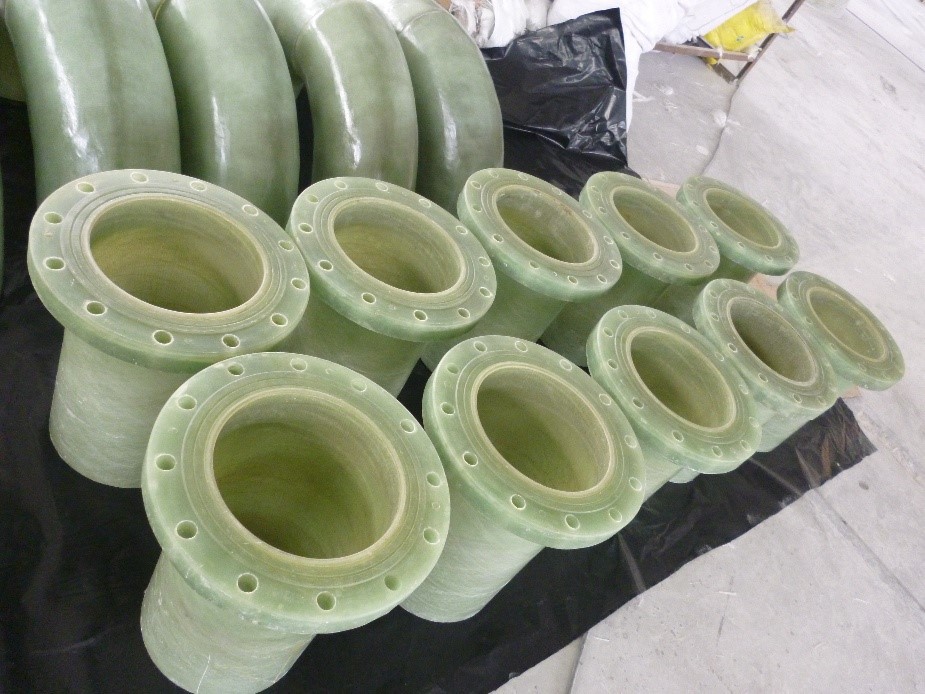
How to choose the most suitable FRP flange for yourself?
Step 1: Analyze Media Compatibility-This is the Cornerstone of Selection.
This is the most important step. Fiberglass flanges' corrosion resistance is their greatest strength, but different resin systems offer varying chemical resistance.
Epoxy resins: Offer excellent mechanical strength and corrosion resistance, making them particularly suitable for a wide range of acidic, alkaline, and solvent environments. They are a versatile choice for many industrial applications, such as chemical and water treatment.
Vinyl ester resins: Offer excellent resistance to strong acids, alkaline, and oxidizing media, making them a preferred choice for harsh environments such as flue gas desulfurization and the transfer of highly corrosive chemicals.
Polyester resins: Offer good acid resistance (especially inorganic acids) and are cost-effective, making them commonly used in moderately corrosive environments such as wastewater treatment and seawater cooling.
Step 2: Determine Pressure and Temperature Ratings-Ensure Structural Integrity
Every application has unique operating conditions. You must select flanges that can withstand these conditions.
Pressure Rating: Refer to pressure ratings specified in standards such as ASME B16.5 or ISO (e.g., Class 150, 300). Ensure the pressure rating of the selected flange is higher than the system's maximum working pressure, and consider transient pressures such as water hammer.
Temperature Effects: High temperatures can significantly reduce the mechanical strength of fiberglass reinforced plastics. Ensure the flange's heat deflection temperature is higher than the system's maximum operating temperature. Also, consider differential thermal expansion due to thermal cycling.
Step 3: Select Flange Type and Face Profile-Achieving a Perfect Seal
Different connection requirements require different flange types.
Flange Types:
Slip-on Flanges: Offer low cost, ease of installation and alignment, and are particularly suitable for pipes that require frequent disassembly or plastic-lined piping systems.
Blind Flanges: Used to seal the ends of pipes.
Weld-on Flanges: Provide the strongest connection and are suitable for high pressure, high temperature, or severe vibration applications.
Sealing Face Types:
Smooth Face: Used with non-metallic gaskets (such as rubber) for low-pressure applications.
Raised Face: The most common choice, it can be used with various metallic or non-metallic spiral wound gaskets to create a reliable seal under high pressure.
Step 4: Consider the External Environment and Installation Factors
The application environment is equally important.
UV Exposure: For outdoor applications, ensure the flange resin system contains a UV inhibitor or choose a UV-resistant resin (such as some polyester resins) to prevent degradation.
Fire Risk: In areas where fire is a concern, specify a resin system with flame-retardant properties.
Installation Conditions: If the installation space is tight or quick installation is required, a slip-on flange may be a better choice. Ensure that accessory materials such as bolts and gaskets are also compatible with the media.
Step 5: Balance Performance with Budget-Making a Smart Investment
While initial cost is important, total cost of ownership is crucial.
Initial Cost vs. Lifetime Cost: A more expensive vinyl ester flange in a corrosive environment may last several times longer than a cheaper polyester flange, avoiding costly premature replacement and downtime.
Quality and Certification: Choose a manufacturer that complies with international standards (such as ISO, AWWA) to ensure product traceability. The potential risks of inferior flanges far outweigh the cost savings.
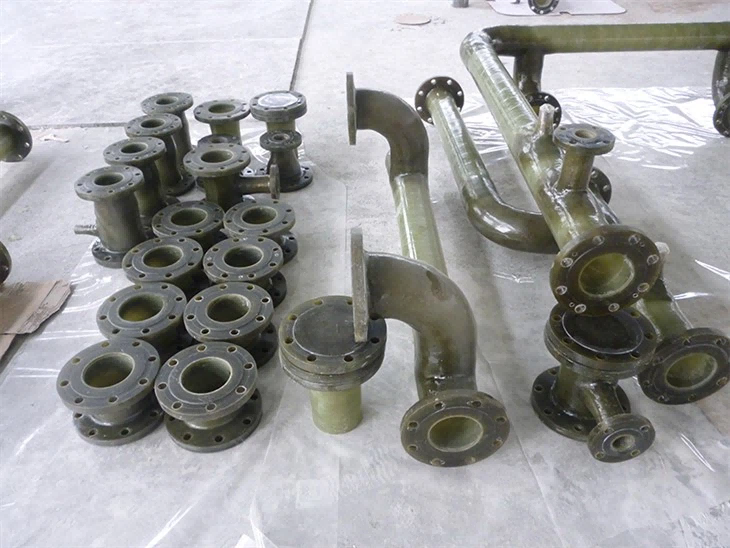
Related Products
In addition to Fiberglass Flanges, we also offer a range of other FRP pipe fittings, including GRP Elbows and GRP Spools. These products are designed to work together to provide a complete piping solution for your industrial applications.
Conclusion
Choosing the right fiberglass flange for a specific application requires careful consideration of several factors, including application requirements, flange material, design, gasket selection, and quality. As a Fiberglass Flange supplier, we have the expertise and experience to help you make the right choice. Our high-quality products, combined with our technical support and customer service, ensure that you get the best solution for your needs.
If you are looking for a reliable Fiberglass Flange supplier, please do not hesitate to contact us. Our team of experts will be happy to discuss your requirements and provide you with a customized solution. We look forward to working with you to meet your industrial piping needs.