

Hey there! As a supplier of Fiberglass Covers, I've had my fair share of questions about how these covers hold up in hailstorms. So, I thought I'd dive into this topic and share some insights.
First off, let's talk about what fiberglass is. Fiberglass is a composite material made of fine glass fibers embedded in a resin matrix. It's known for its strength, durability, and resistance to various environmental factors. This makes it a great choice for covers, especially when it comes to dealing with the harsh conditions of a hailstorm.
How Fiberglass Covers Stand Up to Hail
One of the key advantages of fiberglass covers is their impact resistance. When hailstones come crashing down, they can cause significant damage to many materials. But fiberglass has the ability to absorb and distribute the impact energy. This means that even when large hailstones hit the cover, it's less likely to crack or break compared to other materials like plastic or metal.
The flexibility of fiberglass also plays a crucial role. Unlike rigid materials, fiberglass can bend slightly under the force of the hail, which helps to prevent sudden fractures. This flexibility allows the cover to withstand the impact and return to its original shape once the hailstorm is over.
Another factor is the weather resistance of fiberglass. Hailstorms often come with other elements like strong winds, rain, and temperature changes. Fiberglass is resistant to corrosion, UV rays, and moisture. This means that it won't degrade easily over time, even after multiple hailstorms. It can maintain its structural integrity and appearance for years, providing long - term protection.
Real - World Performance
I've heard from many of our customers who have installed Fiberglass Cover in areas prone to hailstorms. They've reported that the covers have held up remarkably well. For example, in some cases where other types of covers were severely damaged, the fiberglass covers only had minor dents or scratches.
One customer in a region with frequent hailstorms installed our fiberglass covers over their septic tanks. They were initially worried about the potential damage to the Fiberglass Septic Tank during a hailstorm. But after a particularly intense hailstorm, they were relieved to find that the covers had protected the tanks effectively. The covers showed no signs of major damage, and the septic tanks remained intact.
Comparison with Other Materials
Let's compare fiberglass covers with some other common materials used for covers.
Plastic Covers: Plastic is often a cheaper option, but it's not as strong as fiberglass. In a hailstorm, plastic covers can crack easily, especially if the hailstones are large. They may also become brittle over time due to exposure to UV rays, making them even more vulnerable to damage.
Metal Covers: Metal covers are strong, but they can rust over time, especially if they're exposed to moisture. Rust can weaken the structure of the cover, making it more likely to fail during a hailstorm. Additionally, metal conducts heat and cold, which can cause expansion and contraction, leading to cracks. Fiberglass, on the other hand, doesn't rust and has a more stable structure in different temperature conditions.
Maintenance of Fiberglass Covers
One of the great things about fiberglass covers is that they're relatively low - maintenance. After a hailstorm, you can simply clean the cover with a mild detergent and water. Inspect it for any signs of damage, such as small cracks or chips. If you find any minor damage, it can often be repaired with a fiberglass repair kit.
Regular inspections are also important. Check the cover periodically to make sure it's still in good condition. This can help you catch any potential issues early and prevent further damage.
Applications of Fiberglass Covers in Hail - Prone Areas
Fiberglass covers have a wide range of applications in areas where hailstorms are common.
Industrial Applications: In industrial settings, fiberglass covers can be used to protect equipment and machinery from hail damage. For example, they can cover electrical panels, generators, and storage tanks. The GRP Moulded Grating can also be used in combination with fiberglass covers to provide additional protection and support.
Residential Applications: At home, fiberglass covers can be used to protect things like septic tanks, water heaters, and outdoor furniture. They can also be used as roof covers in some cases, providing an extra layer of protection against hail.
Why Choose Our Fiberglass Covers
As a supplier, we take pride in offering high - quality fiberglass covers. Our covers are manufactured using the latest technology and materials, ensuring that they meet the highest standards of quality and performance.
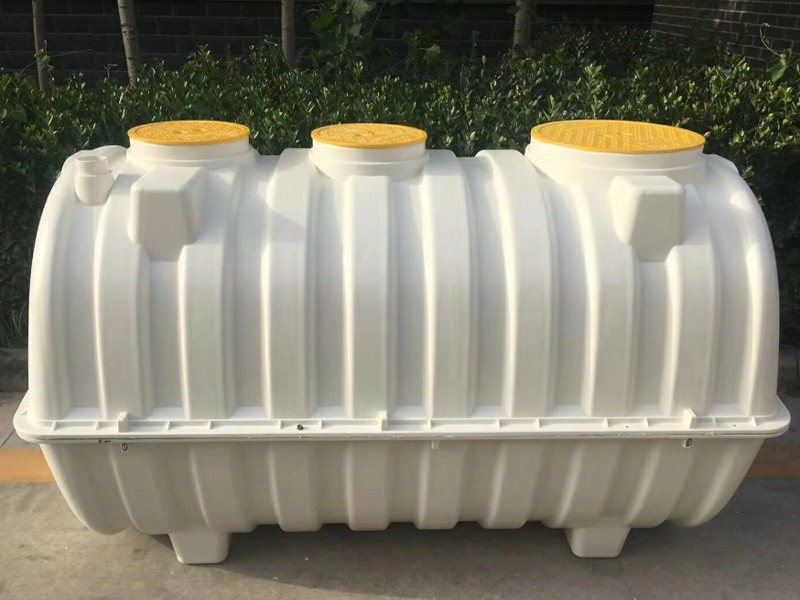

We offer a variety of sizes and designs to meet different customer needs. Whether you need a small cover for a residential septic tank or a large cover for an industrial application, we've got you covered.
Our team of experts is always available to provide advice and support. If you have any questions about how our fiberglass covers will perform in a hailstorm or any other aspect of our products, don't hesitate to reach out.
Conclusion
In conclusion, fiberglass covers are a great choice for areas prone to hailstorms. Their impact resistance, flexibility, and weather resistance make them well - suited to withstand the harsh conditions of a hailstorm. They offer long - term protection and are relatively low - maintenance.
If you're in the market for a reliable cover that can stand up to hail and other environmental factors, I encourage you to consider our Fiberglass Cover. We're here to help you find the right solution for your needs. If you have any questions or want to discuss a potential purchase, feel free to get in touch. We'd love to have a chat and see how we can assist you.
References
- "Composite Materials Handbook" by ASM International
- "Fiberglass Technology and Applications" by John A. Brydson