

Fiberglass covers are widely used in various industries due to their durability, corrosion resistance, and cost - effectiveness. As a Fiberglass Cover supplier, I often receive inquiries about how these covers impact the ventilation of the items they protect. In this blog post, I will delve into the scientific aspects of how fiberglass covers affect ventilation, exploring both the positive and negative impacts and providing practical insights for different applications.
Understanding Fiberglass Covers
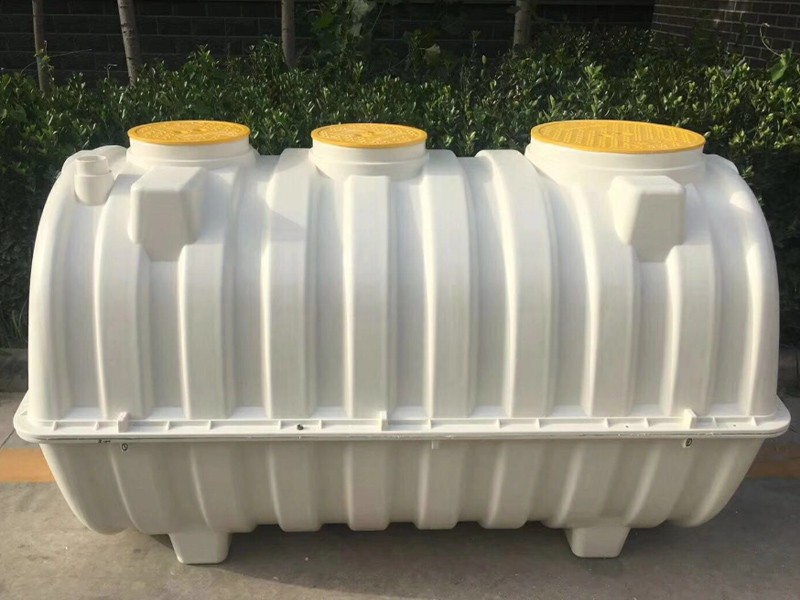
Fiberglass covers are made from a composite material consisting of fine glass fibers embedded in a resin matrix. This combination results in a strong and lightweight product that can withstand harsh environmental conditions. There are different types of fiberglass covers available, such as Fiberglass Cover, Fiberglass Manhole Cover, and Fiberglass Septic Tank, each designed for specific purposes.
The Basics of Ventilation
Before discussing how fiberglass covers affect ventilation, it's important to understand the concept of ventilation itself. Ventilation is the process of exchanging air between an enclosed space and the outside environment. It serves several crucial functions, including removing pollutants, controlling temperature and humidity, and providing fresh oxygen. In industrial settings, proper ventilation can prevent the buildup of hazardous gases, reduce the risk of explosions, and improve the working conditions for employees.
Positive Effects of Fiberglass Covers on Ventilation
Controlled Airflow
One of the significant advantages of using fiberglass covers is the ability to control airflow. By designing the cover with specific ventilation holes or slots, we can regulate the amount of air entering and exiting the enclosed space. For example, in a Fiberglass Manhole Cover, strategically placed ventilation openings can ensure a continuous supply of fresh air to the underground utilities while preventing the entry of debris and unauthorized access.
Protection from External Elements
Fiberglass covers act as a barrier against external elements such as rain, snow, and dust. This protection helps maintain a stable internal environment, which is essential for proper ventilation. In the case of a Fiberglass Septic Tank, the cover prevents water from entering the tank, which could otherwise disrupt the normal ventilation process and lead to the growth of harmful bacteria.
Reduction of Airborne Contaminants
Fiberglass covers can also help reduce the entry of airborne contaminants into the enclosed space. The fine glass fibers in the cover can filter out some of the dust and particles in the air, improving the quality of the internal air. This is particularly beneficial in applications where the enclosed space contains sensitive equipment or materials that are prone to damage from contaminants.
Negative Effects of Fiberglass Covers on Ventilation
Restricted Airflow
If the fiberglass cover is not properly designed or installed, it can restrict airflow. A cover that is too thick or has insufficient ventilation openings may impede the natural movement of air, leading to poor ventilation. For instance, in a storage area covered with a Fiberglass Cover, a lack of proper ventilation can cause the buildup of heat and moisture, which may damage the stored items.
Condensation Issues
Fiberglass covers can sometimes contribute to condensation problems. When warm, moist air inside the enclosed space comes into contact with the cooler surface of the cover, water vapor can condense on the cover's interior. This condensation can reduce the effectiveness of ventilation and may also lead to corrosion or mold growth if not properly addressed.
Blockage of Ventilation Openings
Over time, ventilation openings in fiberglass covers can become blocked by dirt, debris, or even insects. This blockage can significantly reduce the airflow and compromise the ventilation system. Regular maintenance is required to ensure that the ventilation openings remain clear.
Factors Affecting the Impact of Fiberglass Covers on Ventilation
Design and Construction
The design and construction of the fiberglass cover play a crucial role in determining its impact on ventilation. Covers with well - designed ventilation channels and appropriate sizing of openings are more likely to provide effective ventilation. Additionally, the material thickness and the type of resin used can also affect the airflow characteristics.
Application Environment
The environment in which the fiberglass cover is used is another important factor. In a high - humidity environment, for example, special considerations need to be taken to prevent condensation issues. Similarly, in areas with high levels of dust or debris, the cover may need to be designed with additional protection for the ventilation openings.
Installation
Proper installation of the fiberglass cover is essential for maintaining good ventilation. If the cover is not installed correctly, it may create gaps or misalignments that can disrupt the airflow. It's important to follow the manufacturer's installation instructions carefully to ensure optimal performance.
Mitigating the Negative Effects
Regular Maintenance
Regular maintenance is key to mitigating the negative effects of fiberglass covers on ventilation. This includes cleaning the ventilation openings, inspecting the cover for damage, and checking for signs of condensation. By addressing any issues promptly, we can ensure that the ventilation system continues to function effectively.
Improved Design
Continuous improvement in the design of fiberglass covers can also help reduce the negative impacts on ventilation. For example, using self - cleaning ventilation openings or incorporating moisture - wicking materials can prevent blockages and condensation problems.
Monitoring and Control
Implementing a monitoring system to track the ventilation performance can help identify potential issues early. By measuring parameters such as air temperature, humidity, and airflow rate, we can make adjustments to the ventilation system as needed.
Conclusion
In conclusion, fiberglass covers can have both positive and negative effects on the ventilation of an item. As a Fiberglass Cover supplier, we understand the importance of designing and providing covers that optimize ventilation while meeting the specific needs of our customers. By considering factors such as design, application environment, and installation, we can ensure that our fiberglass covers provide effective ventilation and long - term protection.

If you are interested in learning more about our fiberglass covers and how they can be tailored to your ventilation requirements, we encourage you to reach out to us for a consultation. We are committed to providing high - quality products and professional advice to help you achieve the best ventilation solutions for your applications.
References
- ASHRAE Handbook of Fundamentals. American Society of Heating, Refrigerating and Air - Conditioning Engineers.
- "Composite Materials in Construction" by John M. May, CRC Press.
- "Ventilation Principles and Design" by W. J. Fisk, Lawrence Berkeley National Laboratory.