

Hey there! I'm a supplier of GRP Insulation Tanks, and today I want to chat with you about how these tanks perform in cold climates. It's a topic that's super important, especially for those in regions where the mercury drops significantly.
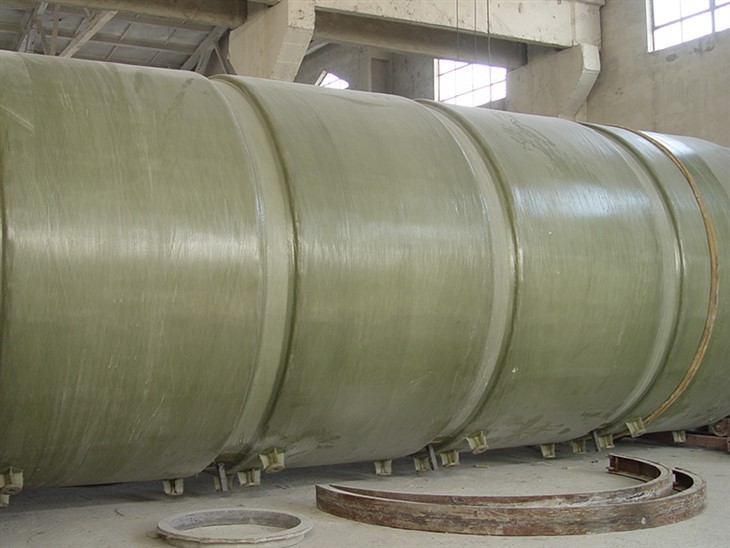
First off, let's understand what GRP Insulation Tanks are. GRP stands for Glass Reinforced Plastic, which is a composite material made of glass fibers and a polymer matrix. These tanks are designed to store various substances, from water to chemicals, and they come with insulation to maintain the temperature of the stored contents. You can learn more about GRP Insulation Tank on our website.
Now, when it comes to cold climates, the performance of a tank can be a make - or - break factor. One of the key advantages of GRP Insulation Tanks in cold weather is their excellent insulation properties. The insulation layer in these tanks acts as a barrier, preventing the cold from seeping in and keeping the stored material at a stable temperature. This is crucial, especially if you're storing substances that are sensitive to temperature changes, like certain chemicals or food products.
For example, if you're using a FRP Soy Sauce Fermentation Tank in a cold climate, maintaining the right temperature is essential for the fermentation process. The insulation in the GRP tank helps ensure that the soy sauce ferments at the optimal temperature, resulting in a high - quality product.
Another aspect of their performance in cold climates is their durability. GRP is a very strong and resilient material. It can withstand the harsh conditions associated with cold weather, such as freezing temperatures, snow, and ice. Unlike some metal tanks that can rust or crack in the cold, GRP Insulation Tanks are resistant to corrosion and physical damage. This means that they have a longer lifespan, which is great for your long - term investment.
In addition to their insulation and durability, GRP Insulation Tanks are also lightweight. This makes them easier to install and transport, even in areas where the ground is frozen or covered in snow. You don't have to worry about heavy equipment or complicated installation processes, which can save you time and money.
However, it's not all sunshine and rainbows. There are a few things to keep in mind when using GRP Insulation Tanks in cold climates. One of the main challenges is the potential for thermal stress. When the temperature outside drops suddenly, the tank and its contents can experience rapid temperature changes. This can cause thermal stress, which might lead to some minor issues over time. But don't worry, as long as the tank is properly designed and installed, these problems can be minimized.
To ensure the best performance of your GRP Insulation Tank in cold climates, proper maintenance is key. You should regularly check the insulation for any signs of damage or wear. If you notice any issues, it's important to address them right away to prevent heat loss and potential damage to the tank.
Also, make sure that the tank is installed on a stable and level surface. In cold climates, the ground can shift due to freezing and thawing cycles. An unstable foundation can put extra stress on the tank, which might lead to structural problems.
When it comes to choosing the right GRP Insulation Tank for a cold climate, there are a few factors to consider. The thickness of the insulation is one of the most important things. A thicker insulation layer will provide better heat retention, which is crucial in cold weather. You should also look for tanks that are specifically designed for cold climates, as they might have additional features to enhance their performance.
Another factor to consider is the type of insulation material used. There are different types of insulation available, each with its own properties and benefits. Some insulation materials are better at resisting moisture, while others are more effective at reducing heat transfer. It's important to choose the right one based on your specific needs and the climate in your area.
In conclusion, GRP Insulation Tanks can perform really well in cold climates. They offer excellent insulation, durability, and ease of installation. However, like any other product, they require proper care and maintenance to ensure their long - term performance.
If you're in the market for a GRP Insulation Tank for your cold - climate application, I'd love to chat with you. We have a wide range of tanks to choose from, and our team of experts can help you find the perfect one for your needs. Whether you're storing water, chemicals, or food products, we've got you covered.
So, don't hesitate to reach out if you have any questions or if you're ready to start the procurement process. We're here to make your experience as smooth and hassle - free as possible.
References

- "Composite Materials in Cold Environments" - A research paper on the performance of composite materials like GRP in low - temperature conditions.
- "Insulation Technology for Storage Tanks" - A guide on different insulation materials and their applications in storage tanks.